I have been in Svalbard for the last couple of weeks helping a team led by Whyjay Zheng (https://whyjz.github.io/) install a set of GNSS stations on Ulvebreen in eastern Svalbard.
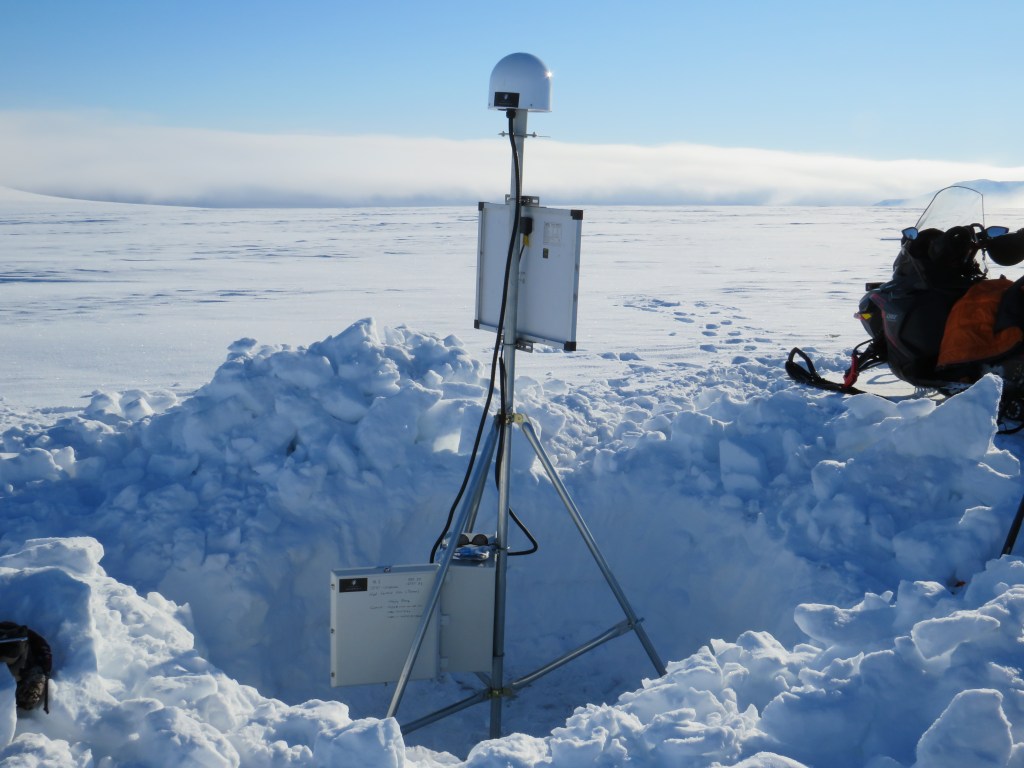
Ulvebreen is a surge-type glacier, currently in its quiescent phase and last surged around 1900 i.e. over 100 years ago (see our recent review paper: https://doi.org/10.1016/j.earscirev.2026.105410 & database of surge-type glaciers in Svalbard: https://doi.org/10.5281/zenodo.18033216).
This glacier was chosen because it has been showing signs of ‘waking up’, in particular the terminus area was steepening, which could lead to a force imbalance at the glacier front and enable the glacier to speed up. These ‘upward propagating’ surges have been documented elsewhere in Svalbard.
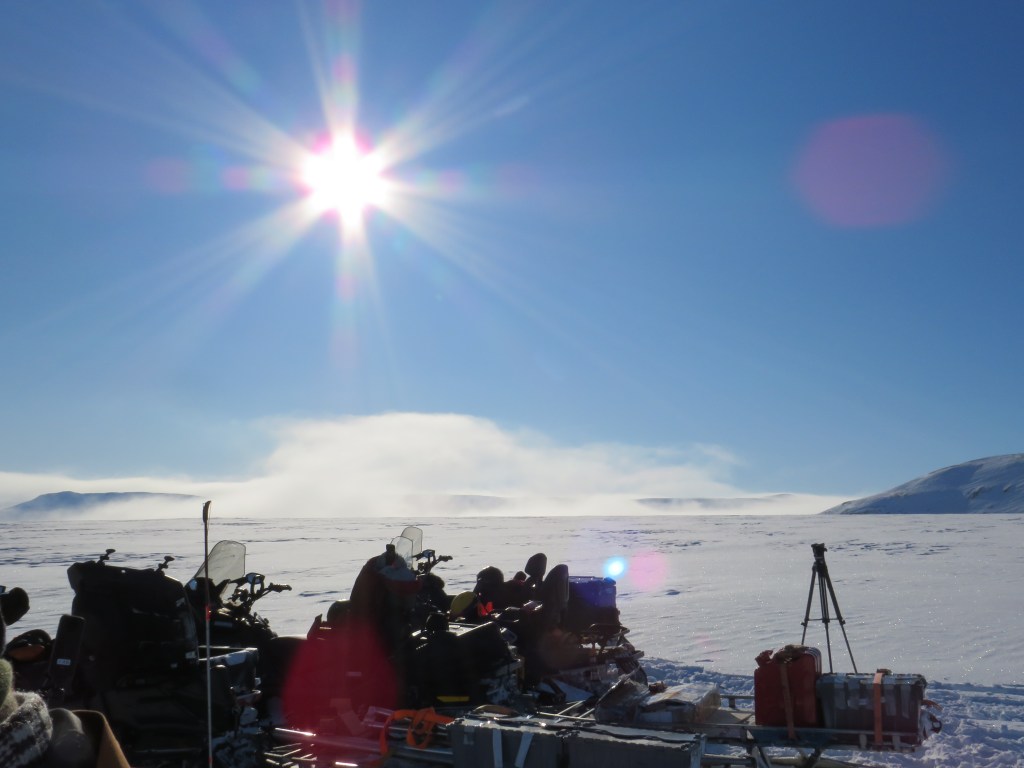
The GNSS stations will be left out for at least the 12 months to detect the early signs of a surge. They will do so by detecting subtle movements on the glacier surface and any signs of acceleration could point to the initiation of a new surge.
Meanwhile, the neighbouring glacier, Buckfallet, which coalesces into the same glacier front, appears to have woken up already. The medial moraine between the two glaciers has advanced, suggesting that the glacier has accelerated, see satellite image below.
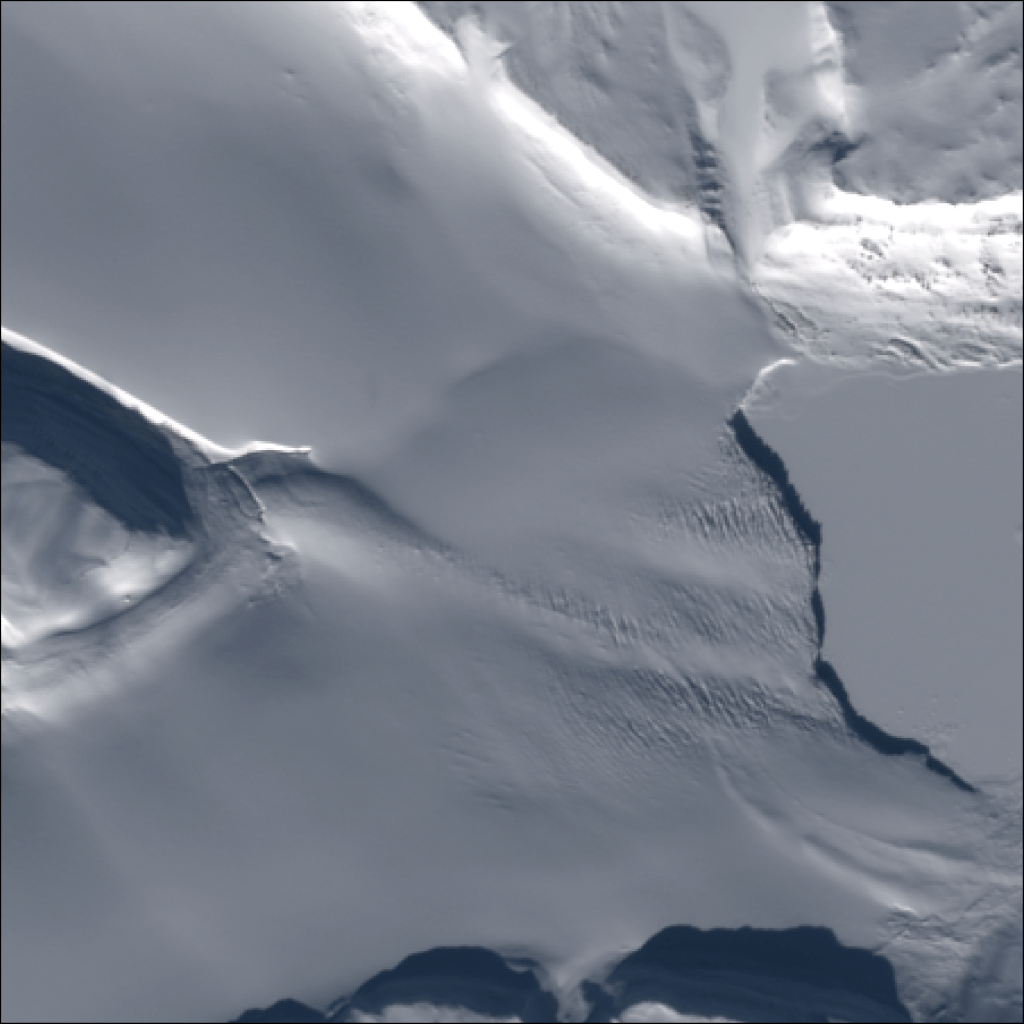
We will continue to monitor the evolution of these two glaciers as they both enter their surge phase…

 Research Page: William D. Harcourt