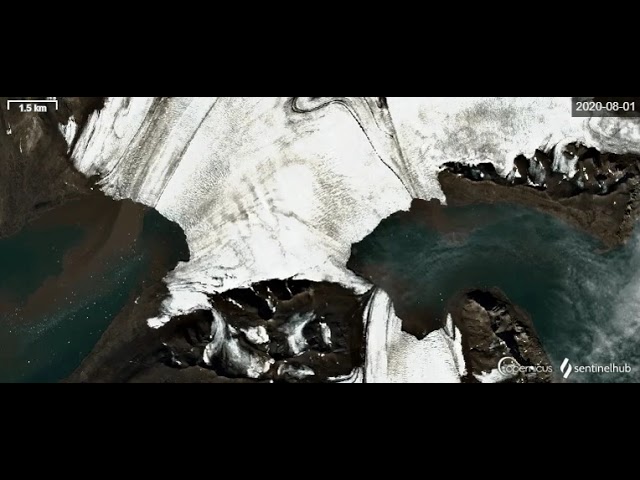
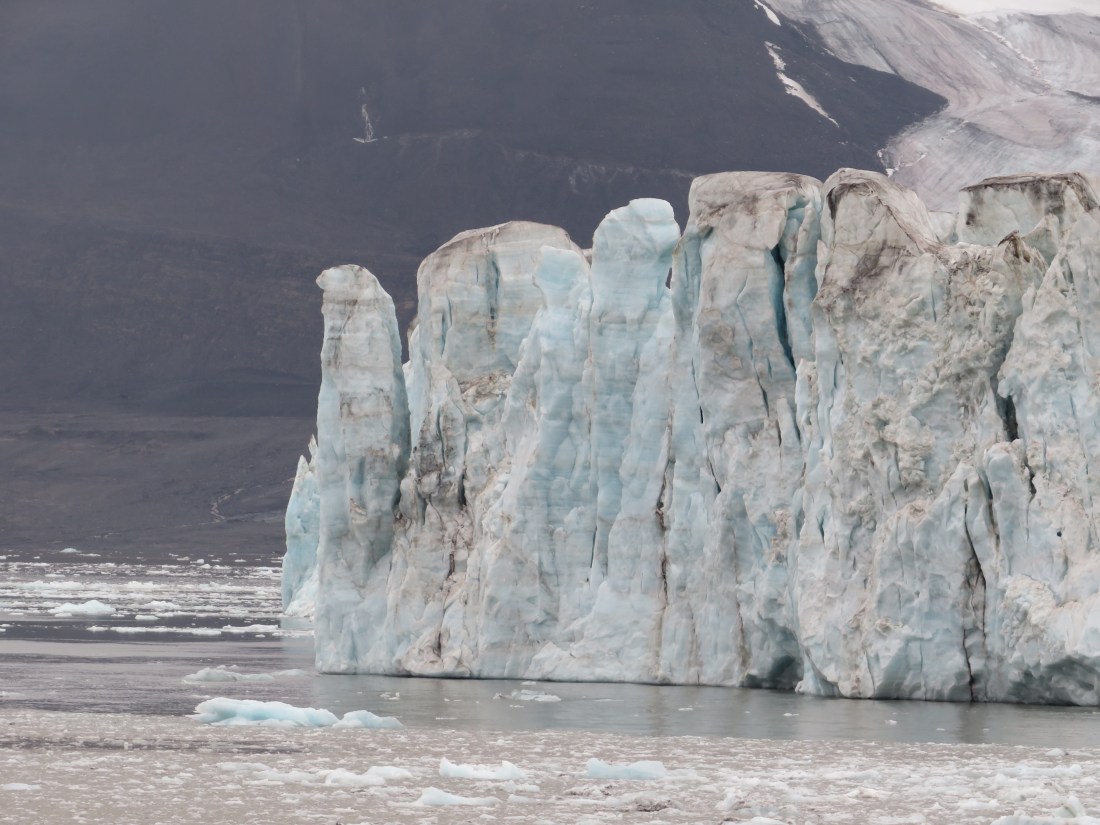
It's interesting to visualise glacier changes in Svalbard. At the end of Hornsund fjord, Hornbreen has been retreating consistently. Below is a GIF showing these changes. The glacier shares a catchment with the neighbouring Hambergbreen to the east, which is also retreating. At some point in the future, these 2 glaciers will retreat and lead … Continue reading Will there be a new ocean pathway in Svalbard?
Author: William D. Harcourt
New Paper in Geophysical Research Letters!
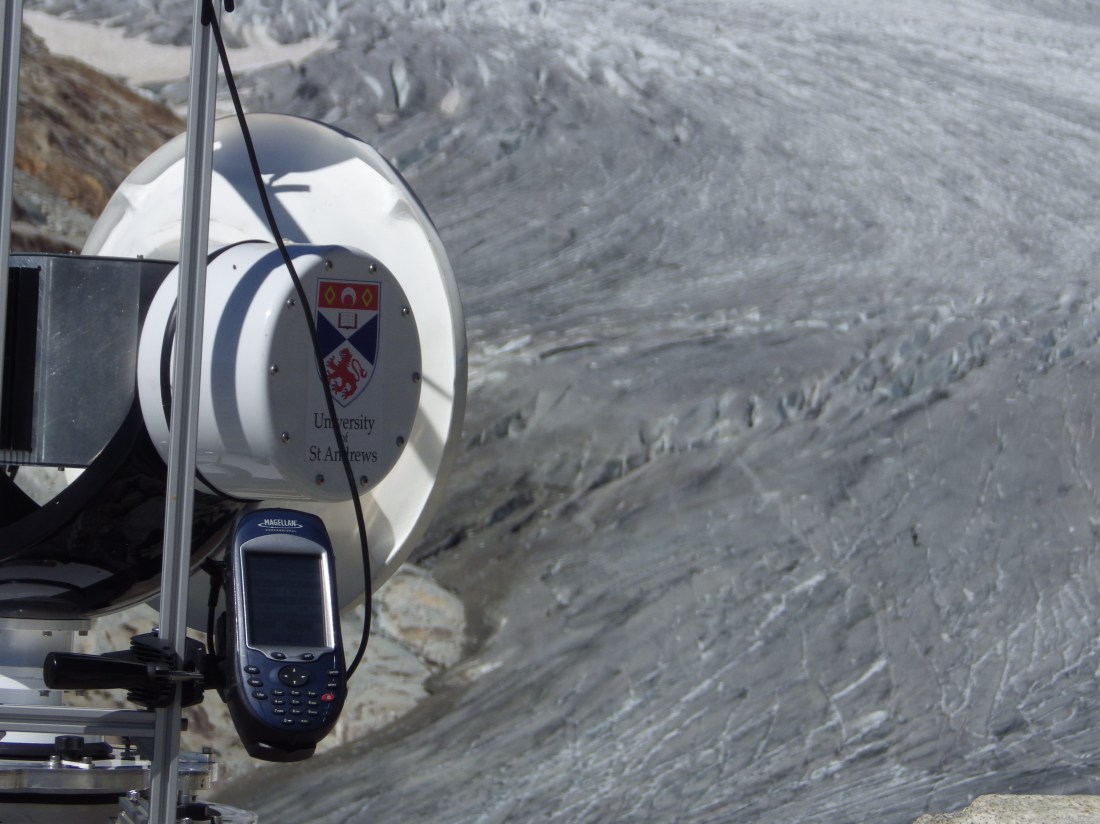
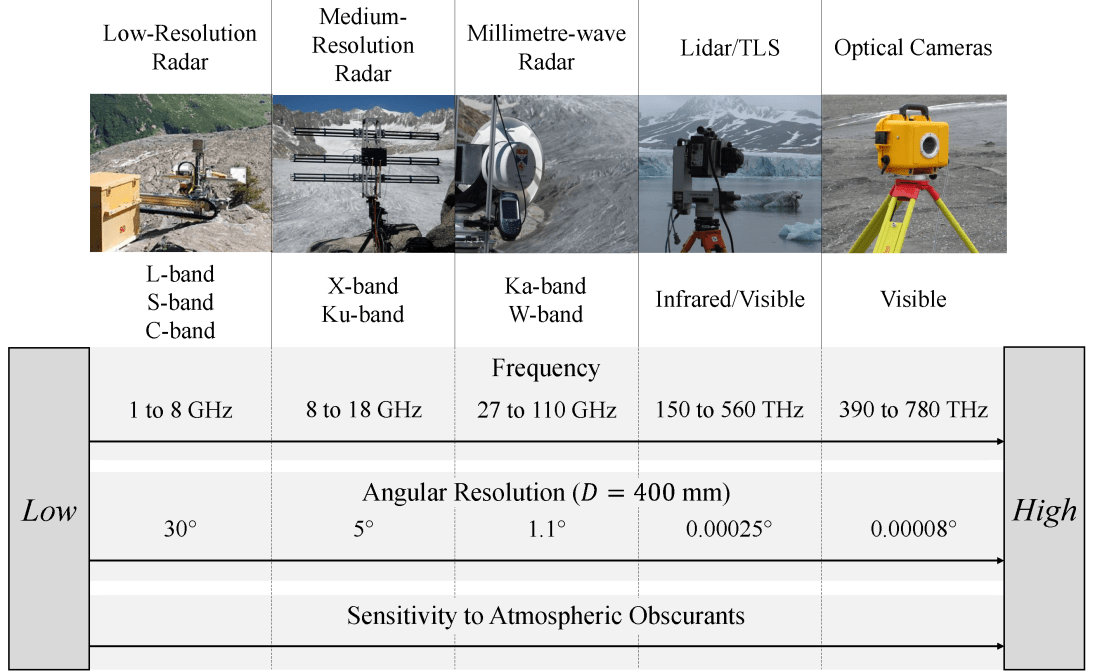
We report a new paper in Geophysical Research Letters entitled "94 GHz radar backscatter characteristics of alpine glacier ice". In this paper, we characterise for the first time the radar backscatter characteristics of glacier ice at 94 GHz. This radar frequency has seldom been used for glacier mapping and monitoring but has the potential to … Continue reading New Paper in Geophysical Research Letters!
Will Harcourt presents at the University of Aberdeen Interdisciplinary Challenges Open day!
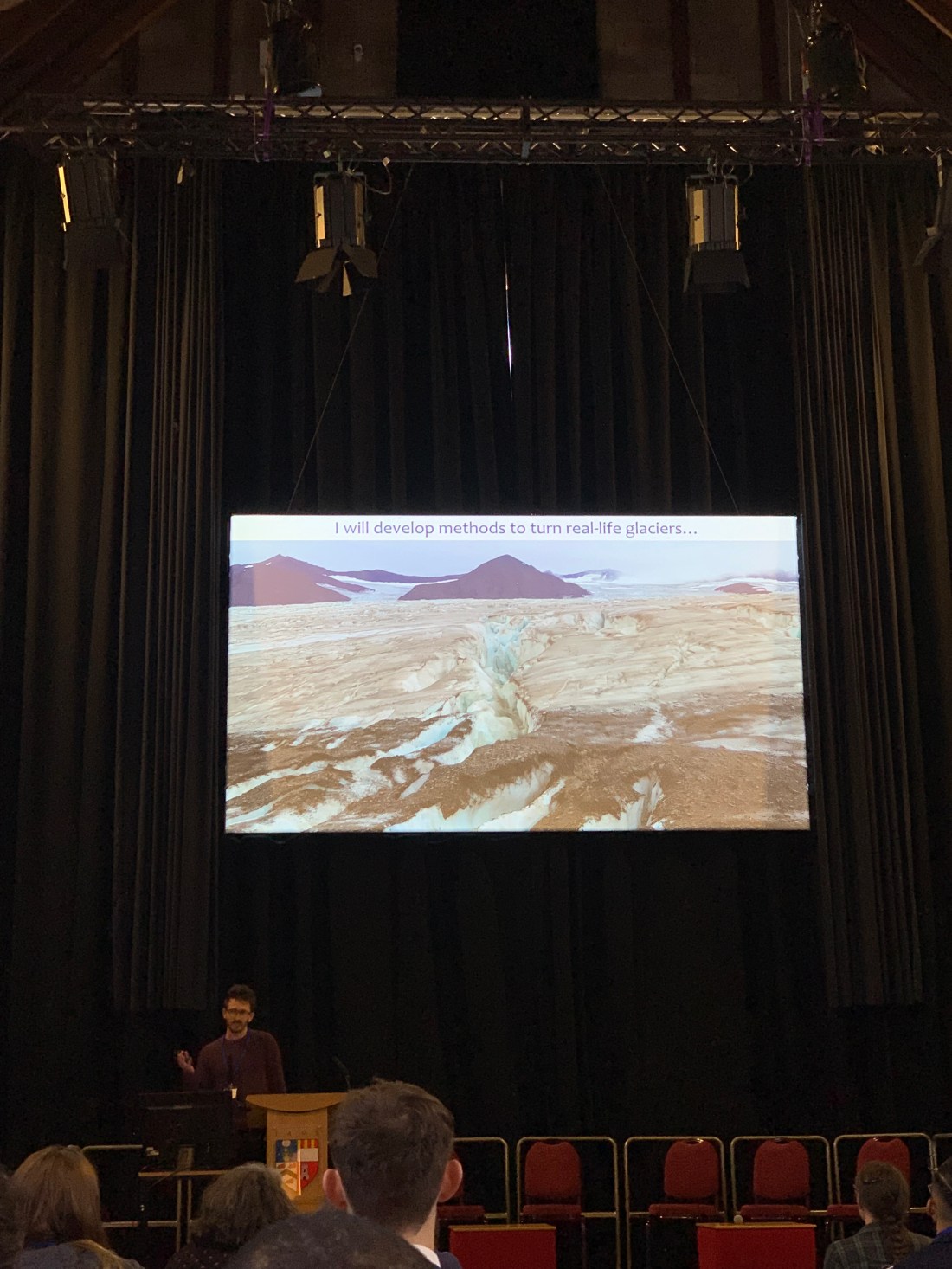
Will Harcourt presented plans for his upcoming 5-year interdisciplinary fellowship at the University of Aberdeen. This was part of a day of activities at the university kick-starting the interdisciplinary initiative as part of the Aberdeen 2040 vision for research and teaching. The new project will be a part of the Data/AI Challenge Theme and will … Continue reading Will Harcourt presents at the University of Aberdeen Interdisciplinary Challenges Open day!
Welcome to new team members!
A warm welcome to 2 new members of the team! Jacob Seston has just started a PhD looking at developing sea ice forecasting methodologies using deep learning. Steven Wallace will be developing multi-modal machine learning algorithms applied to remote sensing data in the cryosphere. Welcome to both!
Day 3 of Borebreen Fieldwork
Day 3 ended up being very similar as day 2 - lots of walking around finding suitable locations to deploy seismometers! It's critical that we get these out as early as possible. These instruments will be able to measure 'event's as the bed of the glacier. When I say event, I mean signals that result … Continue reading Day 3 of Borebreen Fieldwork
Fieldwork Day 2
A bit behind on the posts, but day 2 of fieldwork at Borebreen went well. After a successful first day scoping out the field site, we started deploying seismometers on the ice surface. Pretty tricky at first as the surface of Borebreen was heavily crevassed. We expected this though - the glacier is surging, which … Continue reading Fieldwork Day 2
Fieldwork Blog Day 1!
https://youtu.be/Xu6DqfbROBs A team of us are currently on a Polar expedition to Svalbard, a Norwegian archipelago in the high Arctic. We are studying Borebreen which is a tidewater glacier around 40 km from the main settlement, Longyearbyen. Borebreen is a surge-type glacier which means it undergoes periods of fast and slow flow in a cyclical … Continue reading Fieldwork Blog Day 1!
New Paper in Annals of Glaciology!
We have a new paper out in Annals of Glaciology! This is an invited contribution as part of a special issue in the Annals entitled 'New Cryospheric Research Directions from IGS Global Seminars'. In our paper, we discuss the benefits of using real-aperture radar systems operating at 94 GHz for glacier mapping. We place an … Continue reading New Paper in Annals of Glaciology!
My new role as an Interdisciplinary Fellow!
Today, Monday 15th May 2023 , marks the first day of my new role here at the University of Aberdeen. I am delighted to say that I have taken up a role as an Interdisciplinary Fellow and will be leading a 5-year project to develop a digital twin of the Greenland Ice Sheet (GreenlandTwin). I'm … Continue reading My new role as an Interdisciplinary Fellow!
EGU23
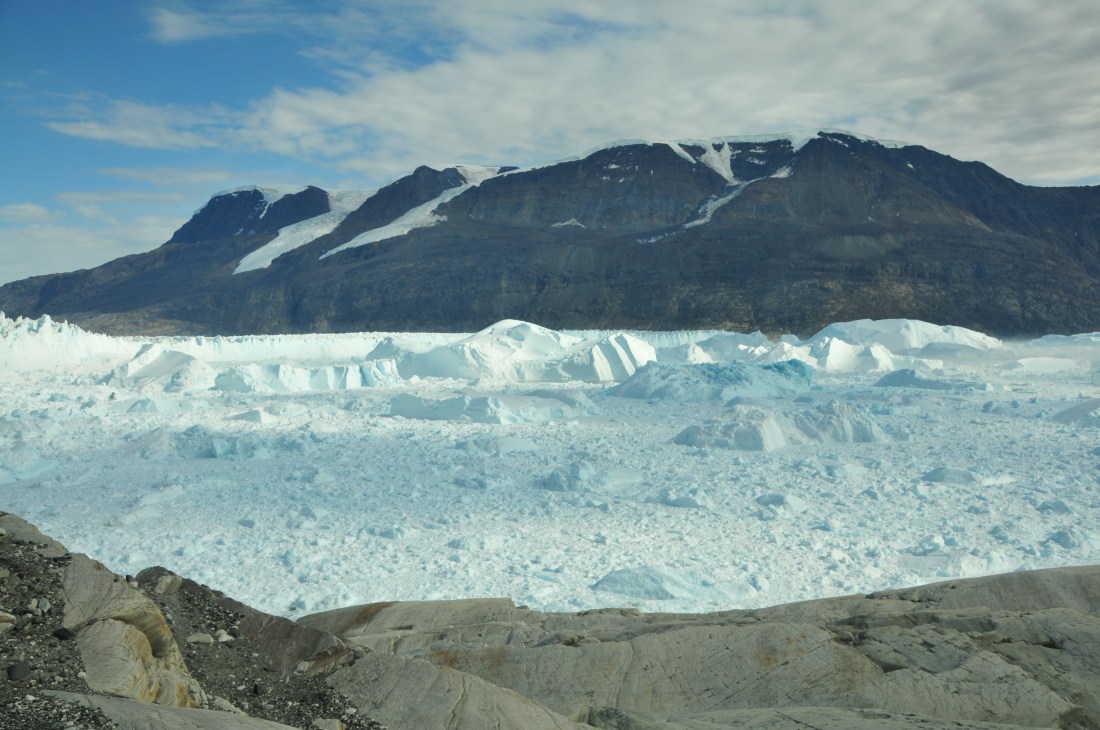
Will Harcourt presented work on using ICEYE radar satellites to understand the dynamics of ice melange at the terminus of Helheim Glacier in Greenland, in collaboration with the University of Kansas. We studied the texture of ice melange and investigated methods to segment features such as icebergs within the melange matrix. We also looked at … Continue reading EGU23